Cinque storie per capire il nostro tempo
1 Marzo 2026
Aiutate il Paese di papà Kiarostami
1 Marzo 2026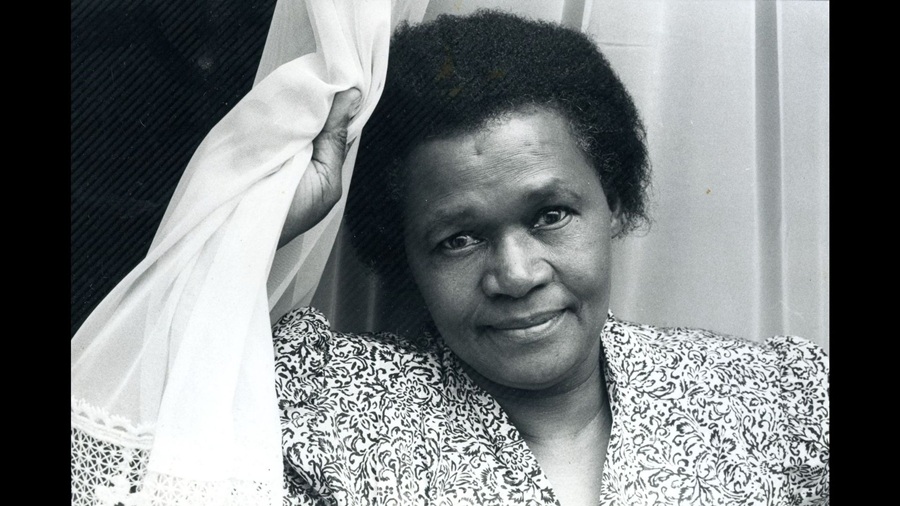
Three very different stories emerging from recent cultural and social reporting share a common thread: the power of human observation, memory, and civic engagement. From the passing of one of the greatest documentary filmmakers of the twentieth century to a new film centered on a South African literary voice, and the renewed political energy of young people in Sarajevo, these narratives reveal how culture and public life continue to intersect in profound ways.
The death of Frederick Wiseman at the age of 96 marks the end of an extraordinary chapter in the history of documentary cinema. Over the course of more than five decades, Wiseman developed a distinctive form of observational filmmaking that reshaped the way institutions and social systems could be portrayed on screen. His films avoided narration, interviews, or overt commentary, allowing viewers to immerse themselves directly in the environments he filmed—schools, hospitals, welfare offices, museums, police departments, and countless other institutions that structure everyday life.
Wiseman’s work was never merely descriptive. By patiently observing how institutions functioned, he revealed the subtle dynamics of power, bureaucracy, and human vulnerability embedded within them. Films such as Titicut Follies, Hospital, and High School exposed tensions between authority and individual experience without resorting to polemic. Instead, Wiseman trusted the audience to see, listen, and reflect. His approach transformed documentary filmmaking into a form of social inquiry, one that treated reality itself as the most powerful narrative.
If Wiseman’s films explored institutions, a new documentary highlighted by The Conversation turns toward the intimate life of a writer whose voice emerged from the struggles of apartheid-era South Africa. Lauretta Ngcobo, novelist and political exile, is the subject of a film that portrays her life with remarkable delicacy and urgency. Ngcobo’s literary work—particularly her novel And They Didn’t Die—gave voice to the experiences of Black South African women living under the brutal constraints of apartheid. Her writing combined political clarity with emotional depth, showing how resistance and survival were woven into the fabric of daily life.
The film presents Ngcobo not only as a writer but also as a witness to history. Forced into exile for decades because of her opposition to apartheid, she spent much of her life outside her homeland, carrying with her the memory of a society marked by injustice. Yet her work remained rooted in the lives of ordinary women whose endurance and resilience rarely entered official narratives. By bringing Ngcobo’s story to the screen, the film invites viewers to reconsider how literature and memory preserve experiences that might otherwise disappear.
While these cultural stories unfold through cinema and literature, another scene of civic expression is taking place in the streets of Sarajevo. According to reports from Osservatorio Balcani e Caucaso Transeuropa, young people have recently gathered in the city’s squares to protest corruption, economic stagnation, and the political paralysis that continues to shape Bosnia and Herzegovina decades after the end of the war. Their demonstrations reflect a generation increasingly frustrated with institutions that appear incapable of reform.
For many of these young protesters, the legacy of the past still weighs heavily on the present. Bosnia’s complex political system—constructed after the 1995 Dayton Agreement—has often produced gridlock rather than effective governance. As unemployment and emigration continue to affect the country, younger citizens are demanding a political culture that looks beyond ethnic divisions and addresses concrete social and economic concerns.
What links these three stories is the persistent role of culture in illuminating social realities. Frederick Wiseman showed how institutions shape human experience. Lauretta Ngcobo used literature to give voice to lives marginalized by history. And the young people of Sarajevo demonstrate that civic energy can still emerge from societies burdened by unresolved political structures.
Together, they remind us that culture is not a separate sphere from politics or public life. Whether through film, writing, or collective protest, it remains one of the most powerful ways societies examine themselves and imagine change.