Piancastagnaio non cede
4 Aprile 2026
Il conto che nessuno paga
4 Aprile 2026
Fifty-six jobs. This is not a company in crisis, not a shifting market, not technology replacing human labour. It is a choice. The owners of the former Logimer warehouse in Piancastagnaio have decided to close the Casa del Corto site in order to reorganise their logistics and maximise profits. They said so plainly. And they did so while opening new retail outlets elsewhere.
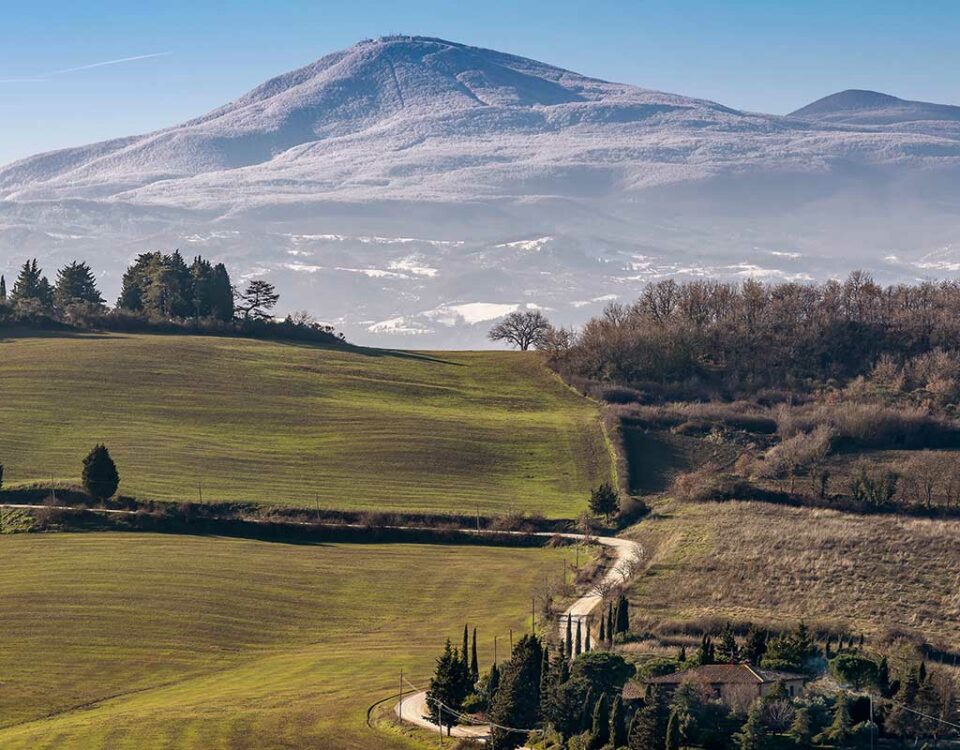
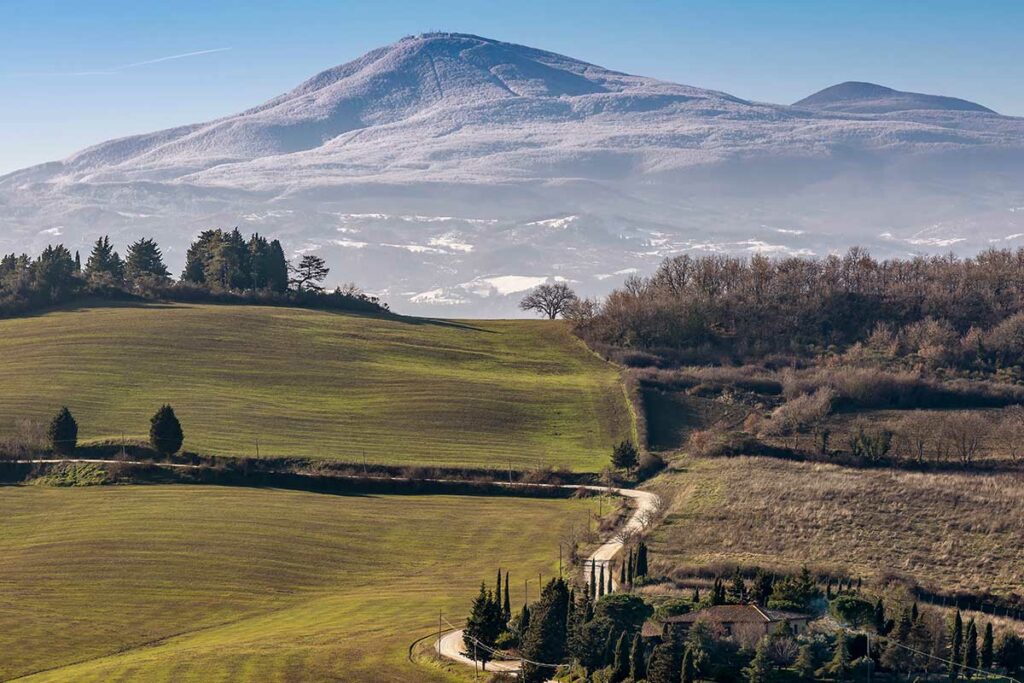
But there is something that needs to be said before anything else, something that changes the moral weight of this whole affair. Logimer was born here. Its registered office was at Via di Lazio 86, Piancastagnaio. The Casa del Corto warehouse has been operating for over thirty years on the slopes of Monte Amiata, and for three decades it was one of the key nodes in the distribution of Acqua & Sapone across central Italy. This brand — now the largest Italian chain of personal care and hygiene products, with over eight hundred outlets and revenues exceeding one and a half billion euros — built a significant part of its history on this territory, thanks to the creativity and labour of the women and men of the Amiata.
Then came private equity. First HIG Capital, an American fund, which acquired control of the company in 2021. Then, in 2024, TDR Capital, a London-based fund, which bought sixty percent of the group for over one and a half billion euros. From that moment on, Acqua & Sapone ceased to be a company with a history and a territorial identity: it became a financial asset to be optimised for shareholders. The territory where it was born and grew is no longer in any line of the industrial plan. It is a cost to be eliminated.
The problem is that this cost — fifty-six families, a mountain municipality losing a qualified productive presence built over thirty years — does not appear in any company accounts either. It is paid by the territory. It is paid by the community. It is paid by the public services that will have to absorb the social consequences of a decision made somewhere else, by someone optimising a spreadsheet in London. For TDR Capital, Piancastagnaio does not exist. There is only a cost item to be cancelled in a logistics restructuring plan.
This is the mechanism that must be named with clarity, not with moralistic outrage but with political precision: inland areas do not lose jobs because they are inefficient. They lose them because the incentive structures of contemporary financial capitalism do not account for the costs of territorial depopulation. Whoever closes a warehouse in the mountains and opens one in the plains improves their margins, but externalises onto the territory the cost of depopulation, of lost skills, of increased pressure on welfare services. It is a transfer of wealth disguised as a business decision. Towards a territory that helped build you over thirty years, it is a form of betrayal and uprooting.
Faced with this mechanism, the response that has formed around the Logimer dispute is a signal worth reading carefully. The municipality asked the Tuscany Region for an immediate crisis table. The unions held the strike with full turnout. The parish community spoke through the words of Don Giampietro Guerrini, who quoted Don Lorenzo Milani: to come through this together. And MPs Fossi, Simiani and Senator Franceschelli filed a parliamentary question in both chambers. This last act should not be underestimated: it means Piancastagnaio has not been left alone to face a decision made elsewhere. It means someone chose to bring this dispute into the national institutions, to turn a local case into a question of industrial policy. That was not a given. It is the first necessary step towards building pressure that reaches the level at which these decisions are made and, above all, the level at which they might be prevented.
Because that is where the real battle is fought. The tools exist on paper: special economic zones, development contracts, tax advantages for productive settlements in inland areas, territorial anchoring clauses in public procurement. What is missing is the political will to use them systematically, not episodically. To build a regulatory framework that makes it genuinely advantageous to stay in mountain territories, not merely costly to leave after the decision has already been taken. A parliamentary question opens a window. What is needed is for something concrete to pass through it.
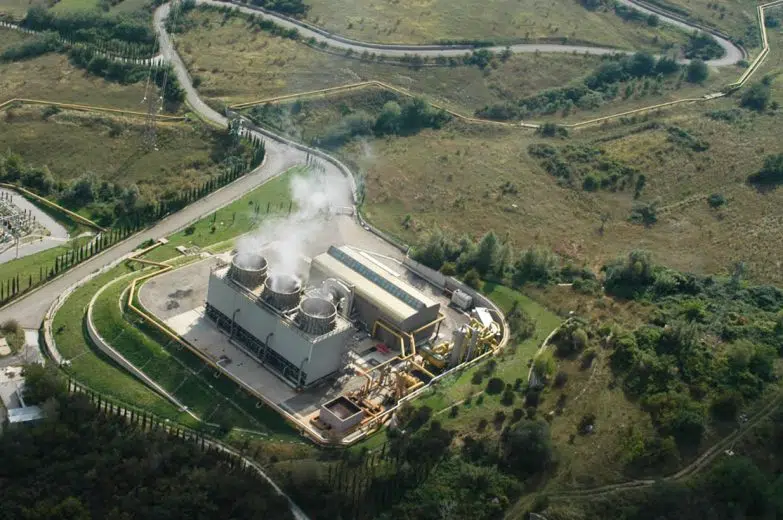
Piancastagnaio in recent years has chosen to be something more than a demographic outpost. It has invested in culture, in European project funding, in a forward-looking vision of its territory. Thanks to geothermal energy it has cut energy costs for businesses by eighty percent — a real competitive advantage that few territories in Italy can offer. It has built first-rate social services: nursery, kindergarten, care provision, which for a working family are not extras but concrete conditions of daily life, making this mountain municipality better equipped than many medium-sized cities. A municipality like this should not have to fight from scratch, every single time, the elementary battle of convincing London shareholders that it is worth staying. It should be able to count on a system that makes that choice structurally worthwhile, not dependent on the goodwill of people who do not even know where the Amiata is.
The bill for the depopulation of inland areas is real. Until we make those who produce it pay it, we will keep paying it ourselves.