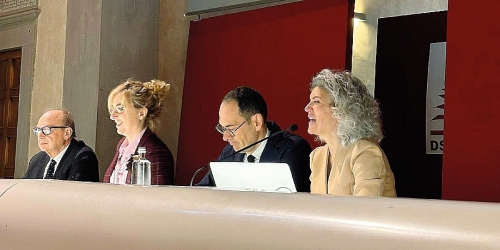
Piancastagnaio. Filarmonica Cavallucci, si inaugura la nuova sala
14 Marzo 2026
La settimana in cui il passato ci ha chiesto conto
15 Marzo 2026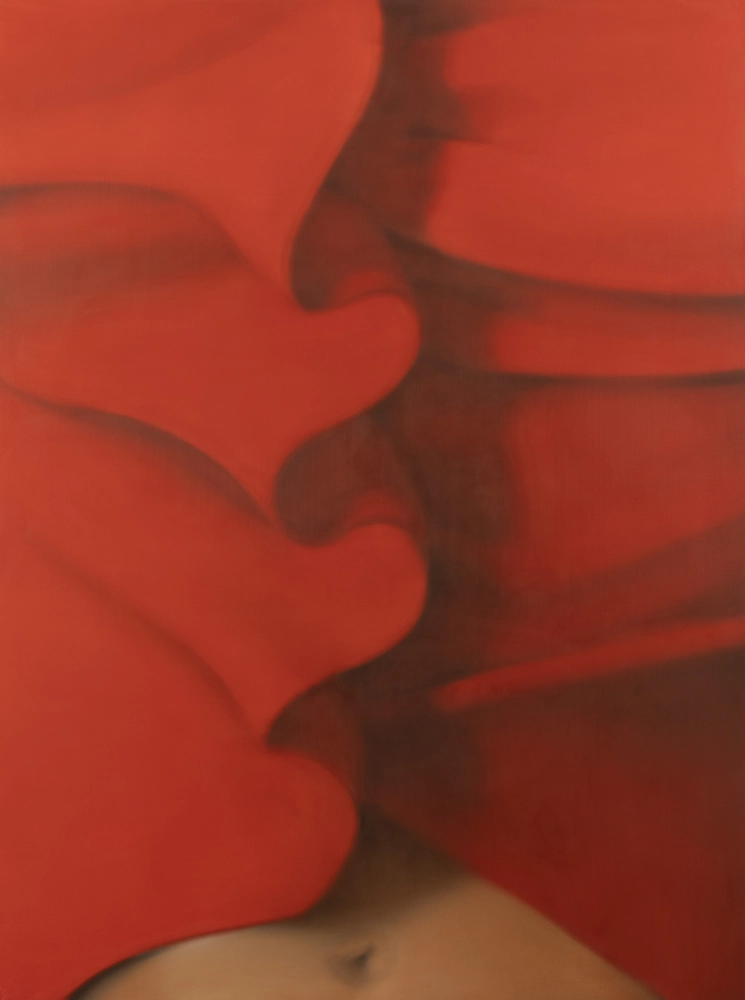
There is a curious coherence to this week’s gallery listings — as if five unrelated shows, scattered across Britain, had quietly agreed on a theme. Look again, and the thread emerges: every one of them is about the moment the world changed shape, and what we chose to keep.
Start with In Bloom at the Ashmolean. Flower paintings sound gentle, seasonal, safe — the kind of art that asks nothing of you. But this exhibition knows better. Behind those luminous petals lies the entire machinery of early modernity: trade routes, colonial botany, speculative markets, the famous tulip mania that briefly made a single bulb worth a craftsman’s annual wage. The flowers are beautiful. The story they carry is not innocent. Science and commerce dressed themselves in the language of nature, and we have been doing it ever since.
Move north to Manchester, to the Whitworth’s pairing of Hokusai and Hiroshige with Turner and Constable. The comparison is scholarly, but the provocation is deeper. Two civilisations, developing in near-isolation, arrived at almost the same discovery at almost the same moment: that landscape is not a backdrop but a protagonist, that the world has its own drama independent of human figures. Beneath the Great Wave is not just art history — it is the question of whether beauty has a single source or many, whether the sublime is universal or merely what power decides to call sublime.
In London, Seth Price at Sadie Coles works the other end of the timeline. Cave paintings, Renaissance imagery, digital loops — his video installations do not celebrate this arc of human image-making; they interrogate it, pulling at the seams between analogue memory and algorithmic reproduction. What happens to visual culture when every image is equally available, equally weightless? Price offers no comfort. He offers structure, which is rarer and more useful.
Alexis Ralaivao at Pilar Corrias sits in productive tension with all of this. Where the other exhibitions treat images as documents — of science, of power, of civilisation — Ralaivao insists on the body, on the erotic, on painting as an act that resists reduction. His canvases hover between abstraction and flesh, refusing the clarity that institutions prefer. In a week full of historical surveys, that refusal feels almost political.
And then, last chance, the Swords of Lucknow at the Wallace Collection. These 18th and 19th-century blades are extraordinary objects — shimmering, precise, made with a craft so refined it approaches metaphysics. They are also, unmistakably, instruments of a court that was about to be destroyed by empire. The Wallace Collection, itself built on the accumulation of European power, displays them without apparent irony. Perhaps that is the point. Perhaps we are meant to supply the irony ourselves.
Five exhibitions, five versions of the same question: how did we get here, and what did we lose along the way? Spring, apparently, is a good time to ask.
Exhibition listings from The Guardian’s weekly arts roundup.