Mormorii — Francesco Carone alla Rocca Aldobrandesca di Piancastagnaio
26 Marzo 2026
Buongoverno «E’ una teologia della città»
26 Marzo 2026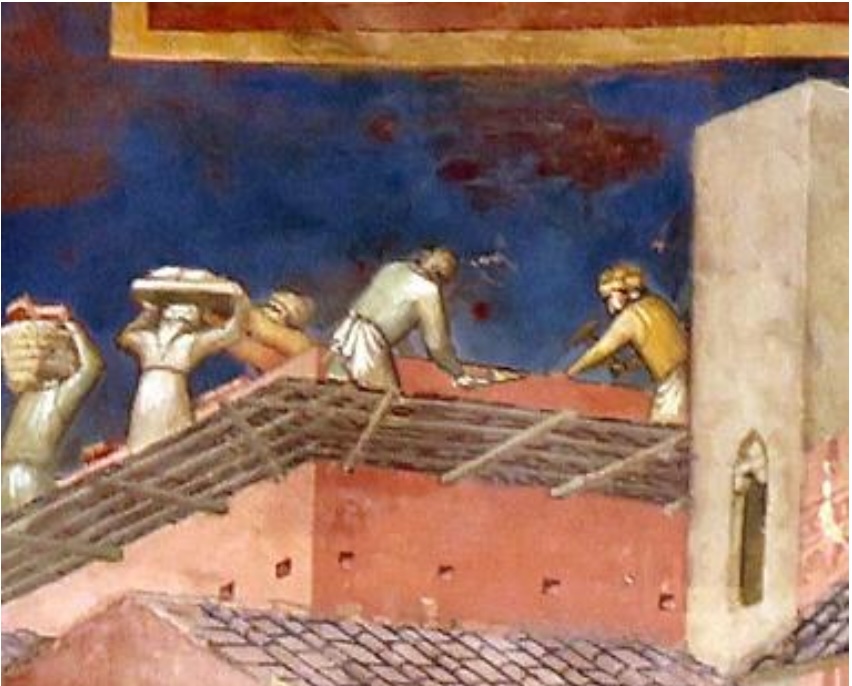
Piccini offers his analysis of Lorenzetti’s work: “It is far more than a political manifesto”
Siena
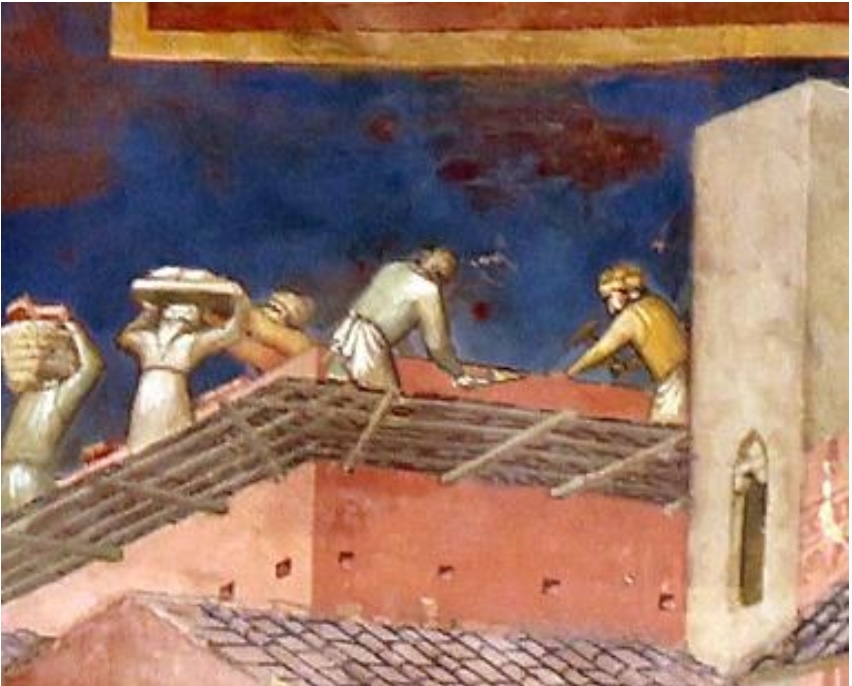
It is Pierluigi Piccini who steps into the Sala dei Nove of the Palazzo Pubblico, to speak before Ambrogio Lorenzetti’s cycle of the Allegory and Effects of Good and Bad Government. “A mistake keeps being made,” writes the former mayor of Siena, “it is read as a political manifesto. It is far more than that. It is a theology of the city. The intuition is simple, but radical: the Good Government does not depict a well-administered city. It depicts a city that has been saved. One need only look more carefully. The Cathedral of Siena does not dominate the scene. It is not the visual center, it does not organize the space. In a medieval city this is almost inconceivable. And yet it happens. Because the temple is no longer a building. The temple is the city itself, when it is ordered by justice. Lorenzetti makes a decisive displacement: the sacred is not concentrated — it is diffused. It resides not in stone, but in the relationship between citizens. Not in ritual, but in the balance of everyday actions. The dance, the labor, the commerce, the construction: everything is harmony, everything is measure. It is the visible form of a city that lives within a larger order. This idea has a precise root. In the De civitate Dei, Augustine of Hippo defines peace as tranquillitas ordinis: the stillness that arises from just order. It is not the absence of conflict, but the harmony of relations. This is exactly what we see. In the thought of Thomas Aquinas, justice is not merely an individual virtue, but the principle that structures the common good. The political community is an ordered body, and the law is just only if it is oriented toward the life of all. The city of the Good Government is precisely this: an organism in which every part finds its place because a shared measure exists.”
“It is difficult not to read in this image a transposition of the Heavenly Jerusalem,” Piccini continues, “not as an otherworldly promise, but as a historical possibility. In the Apocalypse of John it is said that in the final city there is no temple, because God himself is its temple. This means that the presence of the divine is no longer concentrated in a separate space, but coincides with the whole of redeemed reality. The Cathedral can recede, because what it represents is already diffused throughout the just city. Justice becomes the true place of presence. On the other side, the Bad Government is not simply the opposite. It is not poor administration. It is a fall. The figures are deformed, the bodies grow rigid, the faces become animal. Tyranny verges on the demonic. The animals and hybrid creatures belong to the imagery of the Apocalypse: those of the beasts that emerge when order breaks and power separates itself from justice. When justice fails, man loses form. When he loses form, he loses relation. When he loses relation, the city dissolves. The contrast between the two walls is therefore absolute. On one side: measure, proportion, life flowing. On the other: rupture, violence, the return to the bestial. This is not a difference of degree. It is a difference of nature. Lorenzetti is not saying that governing well is useful. He is saying that it is necessary in order to remain within the order that makes the human possible. The question, then, does not concern the fourteenth century. It concerns us. And in Siena it weighs more than elsewhere — because here, once, someone had the courage to show that justice is not an abstract principle, but the very condition of shared reality. This city has already known how to think of itself greatly. It wrote it on the walls. Without justice there is no city. Without a city there is no community. Everything else comes after. Or does not come at all.”