The Beach Boys – Wouldn’t It Be Nice
17 Febbraio 2026
Una lettura trasversale e politica delle notizie che segnali. Non è un semplice elenco: è una mappa delle tensioni in corso
18 Febbraio 2026
Siena, l’autoproclamazione e il futuro che non si decide
Siena non è ferma. È sospesa. Ma la sospensione, qui, non ha il volto dell’inerzia: ha il tono dell’autoproclamazione.
Ogni cosa che accade diventa subito “capitale di”. Cultura, jazz, enogastronomia, sostenibilità, bellezza, innovazione, tradizione. Il linguaggio è massimo, la realtà è minuta. Ogni evento è vertice. Nulla è passaggio. Nulla lascia una traccia che modifichi l’asse.
C’è un eccesso di racconto. Le notizie si amplificano, si caricano di centralità prima ancora di essere attraversate. Non è caos: è sovrapproduzione di significato. Mentre tutto è decisivo, nulla è irreversibile. Il gesto si consuma nell’annuncio.
Sotto questa superficie opera un’altra dinamica. Il nuovo non viene respinto: viene assorbito. Integrato. Reso compatibile con una forma che deve restare riconoscibile. È un’intelligenza raffinata, ma preferisce la continuità alla scommessa. Il cambiamento esiste, ma viene metabolizzato prima che diventi rottura.
Si può essere capitale di tutto e non modificare la struttura.
Il problema non è l’assenza di eventi. È l’assenza di interpretazione. La cultura non serve a decorare il discorso pubblico. Serve a leggere la realtà, a scavare sotto la superficie.
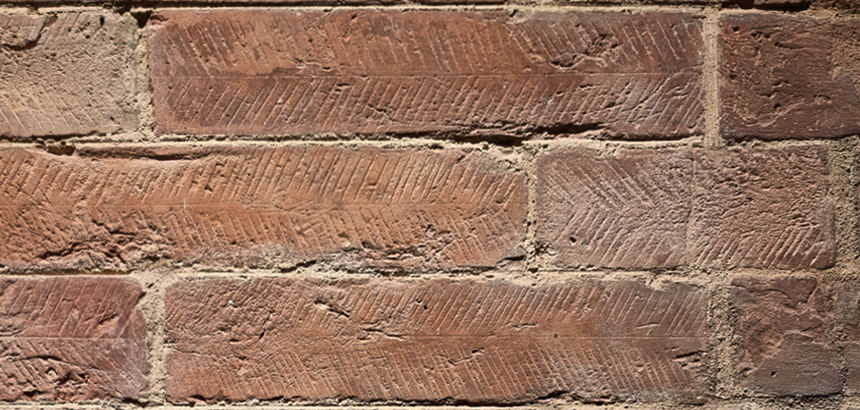
Si può leggere Tozzi come racconto di atmosfere o come chiave per entrare nelle lacerazioni profonde di un territorio. Allo stesso modo si può citare Gadda, Lampedusa o Calvino per prestigio, oppure usarli per capire dove si sta andando. Gadda insegna a vedere le stratificazioni sotto l’ordine dichiarato. Lampedusa a riconoscere la forza della forma che assorbe il cambiamento. Calvino a diffidare della città che coincide con la propria rappresentazione.
Nei dibattiti pubblici — anche nelle sale più simboliche — questo raramente accade. Siena è scenografia, non oggetto. Si parla a Siena, non di Siena. L’evento passa, la struttura resta intatta.
Le domande decisive rimangono sospese. Che città si sta formando? L’università radica o attraversa? La transizione energetica è convegno o trasformazione concreta? Il turismo è risorsa o sostituzione dell’abitare? Quale parte del passato è intoccabile — e perché?
Il mondo accelera per rotture. Le città che abitano il futuro non si proclamano centrali: scelgono. Scegliere significa perdere qualcosa. Rinunciare a una parte della propria immagine. Esporsi.
Chi non sceglie non perde nulla — ma non guadagna il futuro.
L’assenza di fratture può sembrare maturità. Può esserlo. Ma c’è una differenza tra armonia vitale e armonia difensiva. La prima genera trasformazione. La seconda rimanda — con elegante continuità.
Siena custodisce la propria forma con cura straordinaria. È un valore. Ma la domanda resta: questa cura è progetto o protezione?
Finché ogni cosa è capitale di qualcosa, nessuna cosa diventa capitale del futuro.
Siena, febbraio 2026
The Elegant Stasis