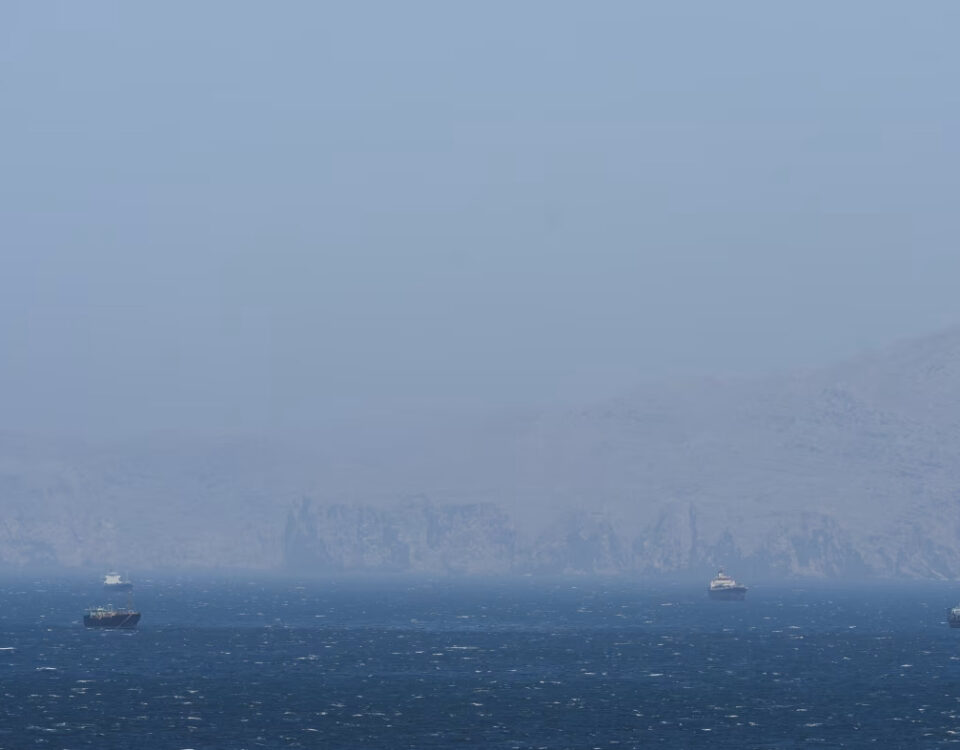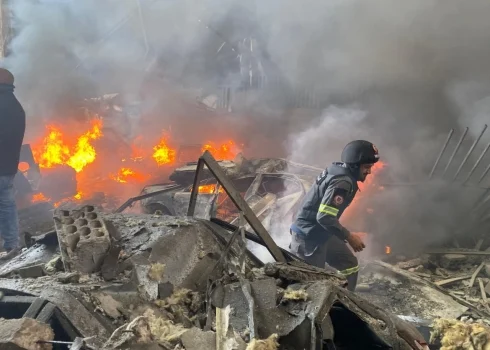
Le Hezbollah frappe Israël, l’armée israélienne se déchaîne au Liban
2 Marzo 2026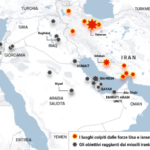
Medio Oriente, guerra senza fine e Europa in allerta
2 Marzo 2026Il dissidente e scrittore iraniano Mehdi Mahmoudian sull’inizio della guerra in Iran
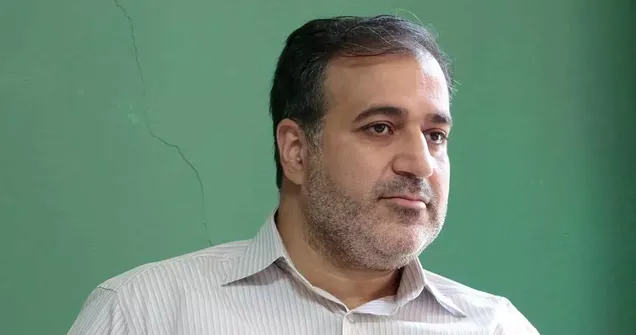
Il dissidente e scrittore iraniano Mehdi Mahmoudian sull’inizio della guerra in Iran, sulla sua esperienza nel sistema carcerario del Paese e sulle sue paure per il futuro. Inoltre:
• Qual è l’obiettivo finale di Trump?
• Amy Davidson Sorkin sul futuro del Partito Democratico
• Un nuovo saggio di David Sedaris
Cora Engelbrecht
Reporter con base tra Londra e New York.
L’ultima volta che bombe americane caddero su Teheran, nel 2025, Mehdi Mahmoudian, dissidente iraniano, era rinchiuso nella Casa di detenzione di Evin. In seguito scrisse di essersi sentito «intrappolato tra gli artigli di bestie straniere e torturatori domestici, passato dall’uno agli altri». Le sue parole risuonano oggi, mentre Israele e gli Stati Uniti bombardano città iraniane.
Fino a tempi molto recenti, Mahmoudian era uno delle migliaia di detenuti rinchiusi nelle prigioni iraniane. Era stato arrestato a gennaio per aver firmato una lettera pubblica che attribuiva alla Guida Suprema, l’Ayatollah Ali Khamenei, la responsabilità degli omicidi di migliaia di manifestanti, uccisi dalle forze di sicurezza dopo essere scesi in piazza. Secondo i suoi calcoli, ha trascorso circa nove degli ultimi sedici anni in prigione per il suo attivismo.
All’inizio di questa settimana sono riuscita a parlargli in una lunga conversazione — la sua prima da quando è stato rilasciato dal carcere di Nowshahr, il 17 febbraio. Abbiamo parlato della sua prima condanna, quando aveva vent’anni, degli abusi che ha visto e subito nel corso dei decenni e di come queste esperienze gli abbiano insegnato a provare empatia persino per i suoi carcerieri.
Questa bussola morale lo ha aiutato a scrivere, insieme al regista Jafar Panahi, il film candidato all’Oscar “It Was Just an Accident”, che i due hanno concepito quando erano entrambi detenuti nella prigione di Evin.
Mahmoudian e io siamo tornati a parlare poche ore dopo che è emersa la notizia che Khamenei era stato ucciso in un attacco aereo. La sua reazione non è stata di esultanza. Ha avvertito che l’Iran potrebbe entrare «in un’epoca ancora più repressiva e difficile».
Qual è la sua reazione alla notizia della morte di Khamenei?
Quest’uomo ha governato l’Iran per trentasette anni. Lei è stato incarcerato dal suo regime almeno sei volte.
Devo dire sinceramente che non sono stato felice. Credo che le persone debbano essere chiamate a rispondere delle proprie azioni e che questa responsabilità debba essere accertata in un tribunale giusto, affinché tali atti non si ripetano. Tutti coloro che hanno subito danni dovrebbero avere l’opportunità di chiedere giustizia.
Cercare giustizia non significa vendetta. Significa che l’individuo venga punito attraverso un giusto processo e, cosa ancora più importante, che quelle azioni siano registrate nella storia come crimini. Solo così i governanti futuri non potranno ripeterle.
Credo che la morte non sia stata sufficiente per il signor Khamenei. Avrebbe dovuto affrontare un processo pubblico, davanti al popolo, ed essere giudicato apertamente e con piena responsabilità.
Lei era detenuto nella prigione di Evin a giugno, quando il suo reparto fu bombardato da un attacco aereo israeliano. Ha scritto che le guardie usarono i prigionieri come scudi umani. Quali sono ora le sue principali preoccupazioni per i detenuti in Iran?
Il problema principale nelle carceri in questo momento è che, a causa del crollo di alcuni edifici giudiziari e degli uffici delle procure in Iran — soprattutto del tribunale di sicurezza che si occupava dei casi dei prigionieri politici e di sicurezza — molti fascicoli giudiziari sono andati perduti.
Se la Repubblica Islamica resterà al potere, potrebbero volerci mesi prima che sia possibile anche solo una revisione legale di base, e molti detenuti potrebbero restare in una sorta di limbo giuridico.
Spero che la Repubblica Islamica arrivi alla sua fine, altrimenti potrebbero arrivare giorni ancora più duri per i prigionieri. C’è il rischio reale che ciò che resta del sistema cerchi vendetta per questi eventi, prendendo di mira detenuti e attivisti politici ancora in libertà, arrestandoli e sottoponendoli a esecuzioni o punizioni severe.
È possibile che stiamo entrando in un momento ancora più buio rispetto al passato?
Da quello che vedo, non ho molte speranze che questi attacchi portino alla caduta completa della Repubblica Islamica. Se ciò non accadrà, potremmo entrare in un’epoca ancora più repressiva e difficile, e le condizioni potrebbero peggiorare significativamente.
Spero davvero che la mia previsione sia sbagliata, che la mia analisi si riveli errata e che il popolo iraniano possa almeno vedere un minimo di libertà, che la nostra generazione possa riuscire a viverne almeno una parte.
Ma i segnali indicano che, una volta che Stati Uniti e Israele avranno risolto il loro conflitto di politica estera con la Repubblica Islamica e assicurato i propri interessi strategici, potrebbero andarsene — abbandonando sia il regime sia il popolo iraniano ad affrontare da soli le conseguenze.
Per approfondire: leggi l’intervista completa di Engelbrecht con Mahmoudian, in cui racconta gli abusi a cui ha assistito e quelli che ha subito, oltre alle storie vere dietro il film It Was Just an Accident.
Altro sull’Iran
Ci sono poche prove che l’amministrazione Trump abbia davvero pensato a quale potrebbe essere l’esito finale della situazione. Ishaan Tharoor analizza cosa potrebbe accadere.
Ayatollah Ali Khamenei ha guidato la Repubblica Islamica per quasi quattro decenni. Il regime può sopravvivere dopo la sua morte? Robin Wright prova a rispondere.
I rischi che i Democratici corrono se non si oppongono con forza alla guerra.
The Iranian dissident and writer Mehdi Mahmoudian on the outbreak of war in Iran, his experience inside the country’s prison system, and his fears for the future. Plus:
• What is Trump’s endgame?
• Amy Davidson Sorkin on the future of the Democratic Party
• A new essay by David Sedaris
Cora Engelbrecht
A reporter based in London and New York.
The last time American bombs fell on Tehran, in 2025, Mehdi Mahmoudian, an Iranian dissident, was locked inside the Evin House of Detention. He later wrote that he felt “caught between the claws of foreign beasts and domestic torturers, being passed from one to another.” His words resonate today, as Israel and the United States bombard Iranian cities. Until very recently, Mahmoudian was one of thousands of prisoners languishing in Iran’s prisons. He was arrested in January for signing a public letter that blamed the Supreme Leader, Ayatollah Ali Khamenei, for the murders of thousands of protesters, who were cut down by security forces after taking to the streets. By Mahmoudian’s count, he has spent about nine of the past sixteen years in prison for his activism.
Earlier this week, I reached him for a long, wide-ranging conversation—his first since he was released from Nowshahr Prison, on February 17th. We spoke about his first prison sentence, when he was twenty years old, about the abuses he’s witnessed and endured over the decades, and about how those experiences taught him to find empathy even for his abusers. This moral compass helped him write the Oscar-nominated film “It Was Just an Accident” with the director Jafar Panahi, whom he met when both were incarcerated in the Evin House of Detention.
Mahmoudian and I connected again in the hours after it emerged that Khamenei had been killed in an air strike. His reaction was not celebratory. He warned that Iran may be entering “an even more repressive and difficult era.”
What is your response to the news of Khamenei’s death? This man ruled over Iran for thirty-seven years. You were imprisoned by his regime at least six times.
I have to say honestly that I wasn’t happy. I believe people should be held accountable, and that accountability must take place in a fair court of law so that such actions are not repeated. All those who were harmed should have the opportunity to seek justice.
Seeking justice is not about revenge. It is about insuring that the individual is punished through due process, and more important, that those actions are formally recorded in history as crimes. That way, future rulers cannot repeat them. I believe death was not enough for Mr. Khamenei. He should have stood trial in a public court, before the people, and faced judgment openly and with full accountability.
You were imprisoned in Evin Prison in June, and your ward was bombarded by an Israeli air strike. You wrote an account about how the guards used the prisoners as human shields. What are your biggest fears for the prisoners in Iran right now?
The main problem with the prisons right now is that, given the collapse of some judiciary buildings and prosecutors’ offices in Iran—especially the security court that handled political and security prisoners’ cases—many case files have gone missing. If the Islamic Republic remains in power, it may take months before even basic legal review becomes possible again, and many prisoners could be left in a state of legal limbo.
I hope the Islamic Republic reaches its end, otherwise even harsher days could lie ahead for prisoners. There is a real concern that what remains of the system may seek revenge for these events, targeting prisoners and political activists who are still outside prison, detaining them, and subjecting them to executions or severe punishments.
Is it possible that we are entering into a darker moment than before?
Based on what I’m seeing, I don’t have much hope that these attacks will lead to the complete fall of the Islamic Republic. If that doesn’t happen, we could be heading into an even more repressive and difficult era, and the conditions from now on may become significantly harsher.
I truly hope my prediction is wrong, that my analysis proves to be mistaken and that the people of Iran will at least see some measure of freedom, that our generation will be able to experience even a part of it.
But the signs indicate that once the United States and Israel resolve their foreign-policy conflict with the Islamic Republic and secure their own strategic interests, they may leave—abandoning both the regime and the Iranian people to face the aftermath alone.
For more: Read Engelbrecht’s interview with Mahmoudian, in which he speaks about the abuses he’s witnessed and endured, and the true stories behind “It Was Just an Accident.”
More on Iran
- There’s little evidence that the Trump Administration has thought through the endgame. Ishaan Tharoor on what could come next.
- Ayatollah Ali Khamenei ruled the Islamic Republic for nearly four decades. Can the regime survive after his death? Robin Wright reports.
- The risks Democrats face if they fail to strongly oppose the war.