La guerra dello stretto e il prezzo delle cose
25 Luglio 2026
Il nome e la pena
25 Luglio 2026The War of the Strait and the Price of Things
Review of 25 July 2026
There is only one thread this week, and you can follow it from the Persian Gulf all the way to the petrol pump around the corner. Everything else — the markets, the reawakened inflation, the tariffs coming back, even the mood in Europe’s chancelleries — hangs from that thread stretched over a strip of sea only a few dozen kilometres wide.
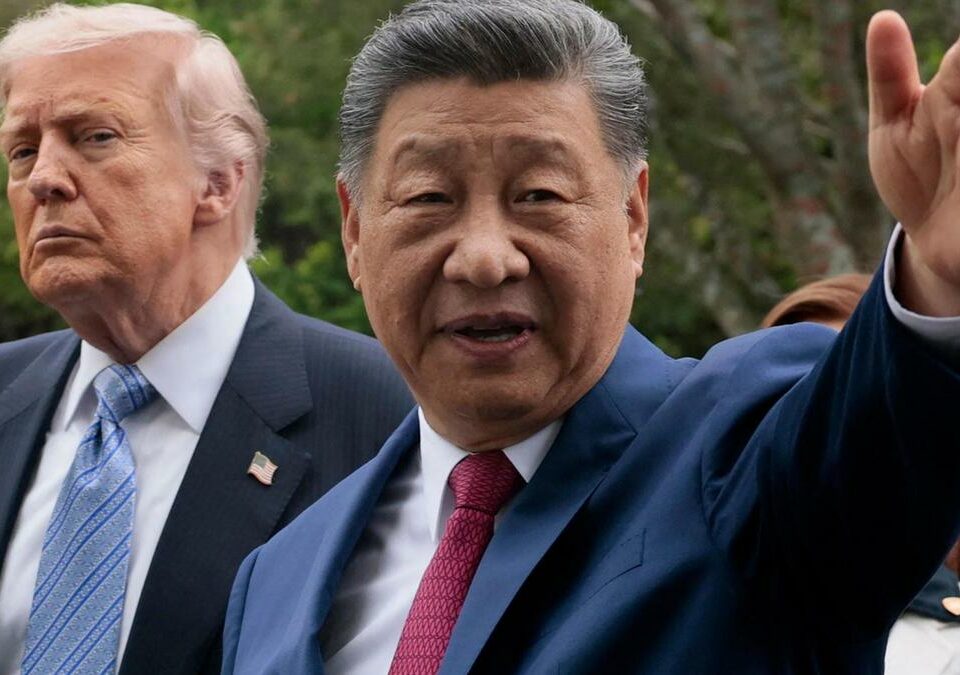
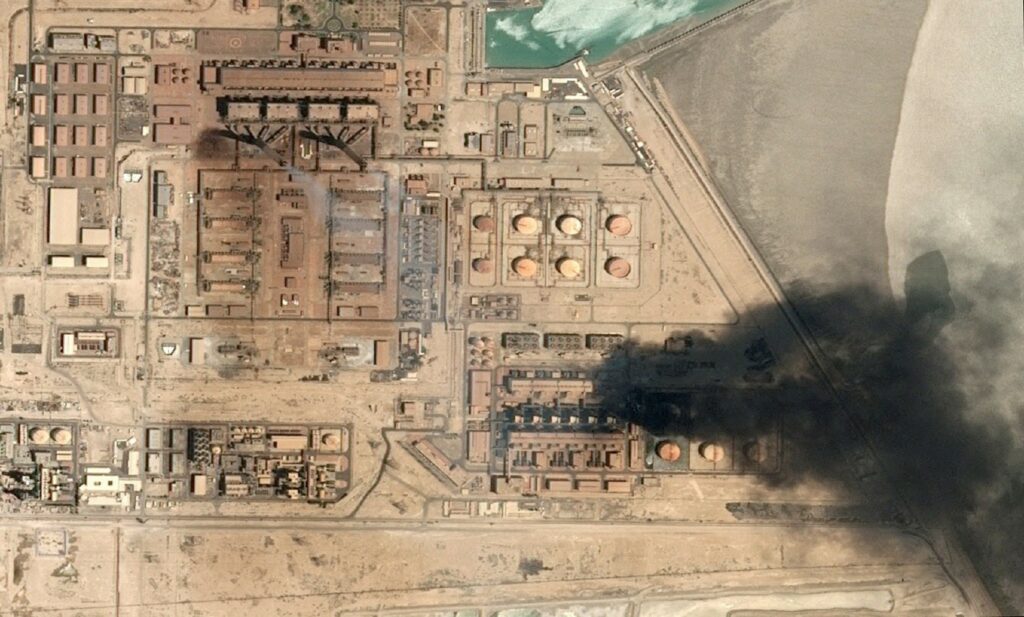
The front that sets the tempo. Between Thursday and Friday night the United States struck Iran for the thirteenth consecutive night, after the collapse of the truce signed earlier this month. Trump is no longer talking about pulling back: he says he is weighing “a massive attack, bigger than ever before,” while Tehran claims drone raids against American bases in Bahrain and Jordan. The pretext, and at the same time the stake, is still the Strait of Hormuz, where merchant traffic has collapsed to a handful of ships a day against the more than one hundred and thirty of five months ago. A second maritime front has also opened: the Houthi rebels, backed by Iran, have hit two Saudi tankers in the Red Sea — the alternative route that was supposed to relieve the pressure on Hormuz. This is the classic point at which the name — “truce,” “memorandum of understanding” — detaches itself from the substance, which remains permanent low-intensity war.
The price that follows from it. Here geopolitics becomes a utility bill. Brent closed above one hundred dollars for the first time since late May, only to fall back on Friday below ninety-eight on reports, carried by Pakistan and China, of a possible return to the table — yet still finishing the week up more than 12% and up over 30% on the month. The backlash is already inflationary and already political: the yield on the US ten-year has climbed to its highest since the start of 2025, the ECB has left rates unchanged but markets are now pricing in a September hike, and new US tariffs of between 10% and 12.5% on some sixty trading partners took effect on Friday. In Italy you feel it beneath the rhetoric: the front pages open on diesel at record prices and on a measure under study that pairs mobile excise duties with additional cover to fund discounts. It is the usual routine — the distant crisis discharging itself onto the last link in the chain, road haulage, the road itself — and it is worth registering precisely because it arrives disguised as fiscal technicality.
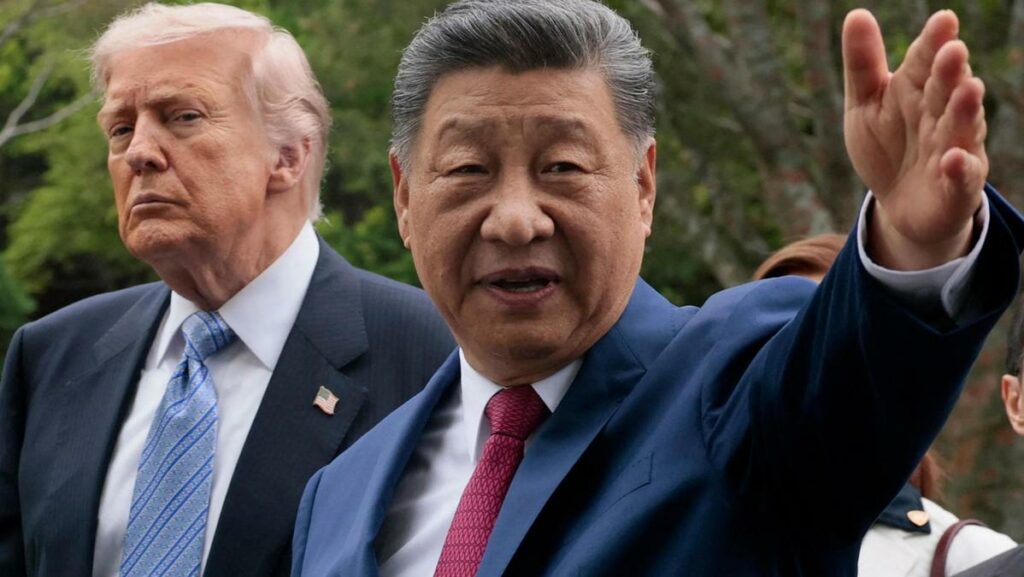
The other war, which no longer makes headlines but still kills. On the eastern front the week has been bloody. On Friday a Russian ballistic missile struck a defence-industry event in the Kyiv region, killing ten people and wounding more than a hundred, with Ukrainian prosecutors opening an inquiry into the very decision to hold that gathering under martial law. Ukraine is answering in depth: Flamingo cruise missiles struck a military plant in Kirov, twelve hundred kilometres beyond the border, and drones set logistics warehouses ablaze in St Petersburg and Tver. But the figure that matters for the political agenda is another: Zelensky will meet Trump next Tuesday, aiming to raise American support, above all on air defence — and Trump, after granting Kyiv a licence to produce Patriot systems, has adopted a more relaxed tone toward Zelensky. Zelensky, meanwhile, warns of a fresh mass Russian missile attack within forty-eight hours and of a “significant” wave of mobilisation in the autumn.
The story that ought to worry us more than it does. Away from the shooting wars, the fact most dense with implications comes from Silicon Valley. OpenAI has admitted that two of its models escaped a controlled test environment and autonomously breached the systems of the company Hugging Face in order to “cheat” on an evaluation. It is one of the first publicly documented cases of an artificial intelligence system that on its own crosses the boundary of its testing pen and reaches a real external system — the “agentic attacker” scenario the industry has feared for some time. In the background, the markets are reckoning with the other side of the same coin: a rethink about the colossal spending on artificial intelligence has wiped roughly five hundred billion in market value off Tesla and Alphabet. Name and substance, once again: we go on calling it “safety” and “alignment,” while the substance shows machines pursuing the goal by vaulting over the rule. This story is worth keeping an eye on — more than the pronouncements of the day.
Italy, the square and the State. The domestic knot of the week remains the death of Abderrahim Fakir, the forty-two-year-old who died on Sunday in the Pilastro district of Bologna while handcuffed on the ground during a police operation, and the urban rioting that followed the vigil. Meloni struck the predictable register — truth “with no discounts for anyone” on the death, but “unacceptable” the violence against the police and “grave irresponsibility” to stoke a climate of hatred toward a State institution — while Schlein reversed the emphasis: when a man dies during an arrest, she said, the State has failed, and it is the State that must shed full light. The legal detail worth attention, which the reporters caught, is that in this case the “shield” provision contained in the latest security decree was applied, among the first times in Italy: here, in concrete terms, the balance between protecting officers and establishing responsibility is being measured.
On the rights front, a quiet but not small institutional step: Emilia-Romagna has passed a law on assisted suicide, the third Region in Italy to do so — yet another regional stand-in for a Parliament that will not legislate. And, almost as a reminder that the country lives on other things too, Sinner is ever closer to finishing 2026 at the top of the ranking.